
Auckland City Micromobility Plan
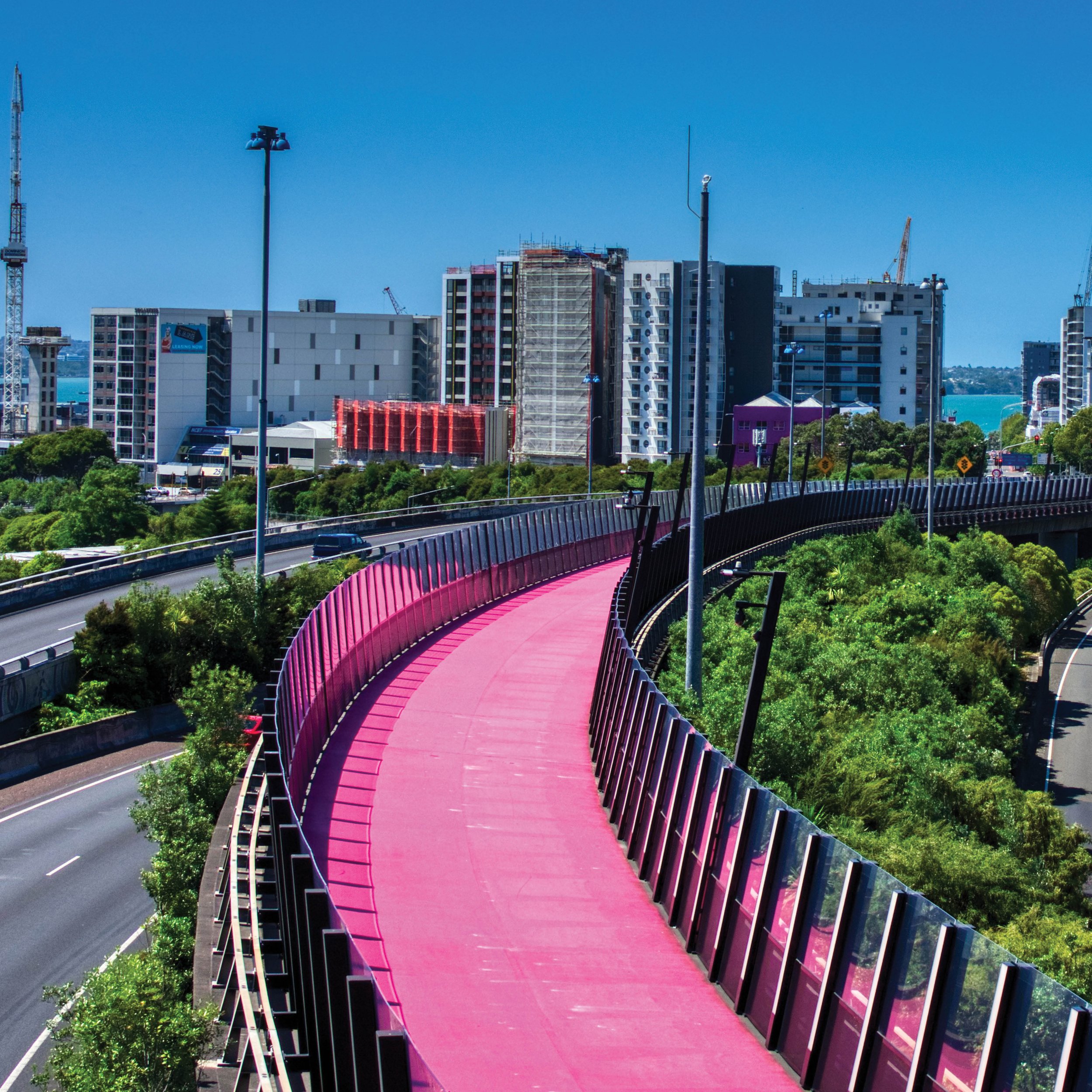
Better Cities developed Auckland’s Micromobility City Plan for Beam by undertaking a detailed assessment of how people currently move through the city and how small‑scale transport modes could strengthen its future network. The team analysed active travel infrastructure across key corridors, town centres and neighbourhoods, identifying gaps in protected cycleways, shared paths, end‑of‑trip facilities and safe crossing points. Land‑use patterns and density were mapped to understand where micromobility demand was strongest and where future growth would place pressure on existing networks. This spatial analysis was paired with a review of local laws, regulatory settings and enforcement practices to ensure the plan aligned with Auckland’s legislative environment and could be implemented without unintended conflicts.
BCG also examined rider behaviour, including speed profiles, conflict points, preferred routes and common barriers to uptake. This helped shape a plan that responded to real‑world conditions rather than theoretical assumptions. By integrating infrastructure needs, land‑use dynamics, density considerations, regulatory constraints and behavioural insights, Better Cities produced a practical, city‑wide framework that support safer, more connected and more attractive micromobility travel. The resulting plan positioned Auckland to expand active transport options, reduce congestion and create a more accessible urban environment for residents and visitors.
CLIENT
Beam
YEAR
2023
LOCATION
Auckland, New Zealand
PROJECT TYPE